Contents
It is the classic seller's dilemma: spend money to make money, or sell as-is and pass the project on. The honest answer, based on UK valuation data and the consensus of national surveyors (RICS, Rated People, Checkatrade reports), is that cosmetic improvements consistently outperform major works when you are selling within 12 months.
The high-ROI improvements
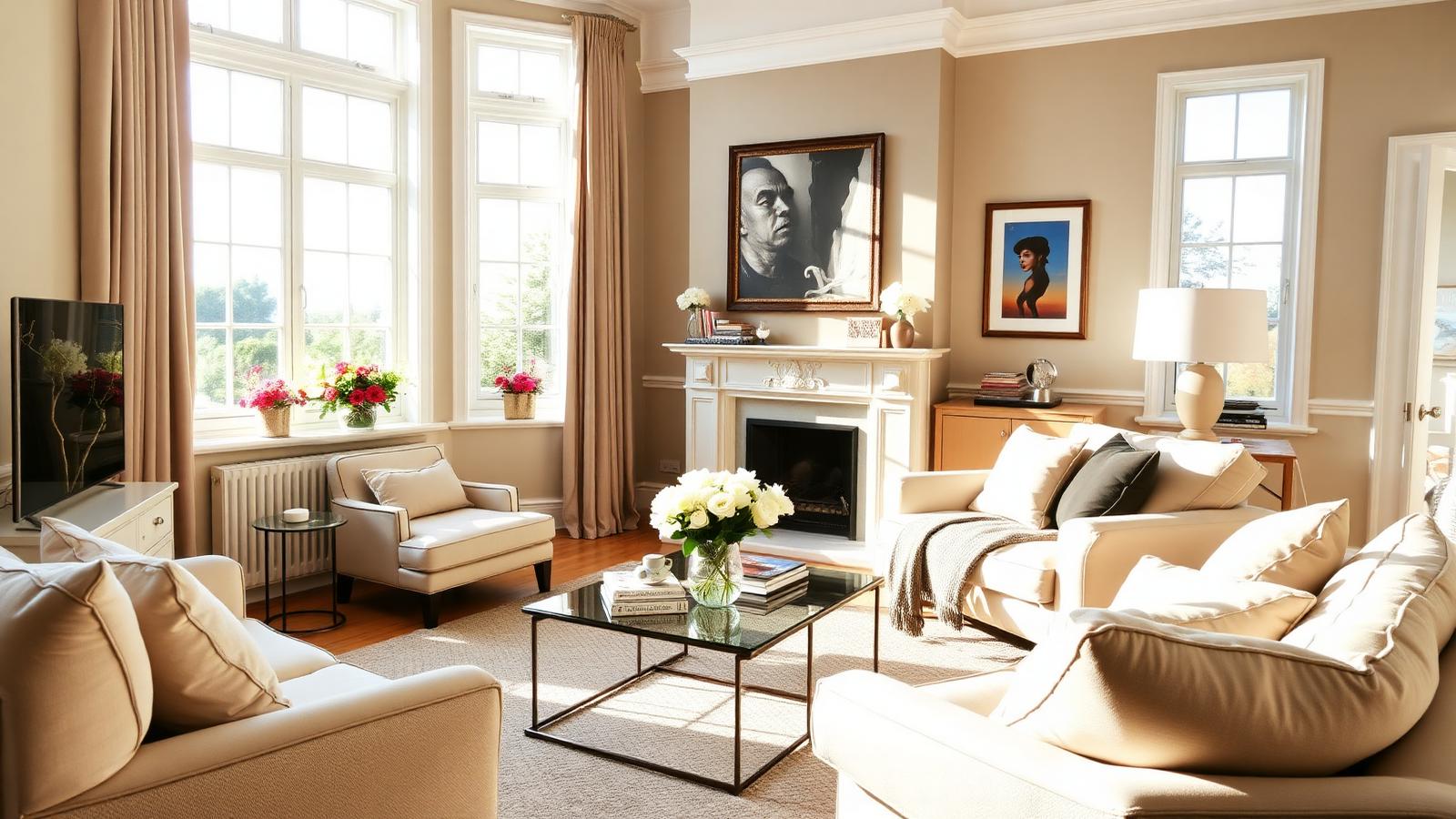
- Repainting in neutral tones — typical cost £600–£1,500, average value uplift £3,000–£5,000 (Rated People Home Improvement Trends Report 2024).
- New carpets and flooring repair — £1,000–£3,000 cost, comparable uplift plus faster sale.
- Re-grouting, re-sealing and bathroom refresh — £200–£600 cost, disproportionate effect on buyer perception.
- Front door, kerb appeal and garden tidy — £200–£800 cost, drives viewing-to-offer conversion.
- Boiler service and gas safety certificate — £100, removes a common buyer objection.
The break-even improvements
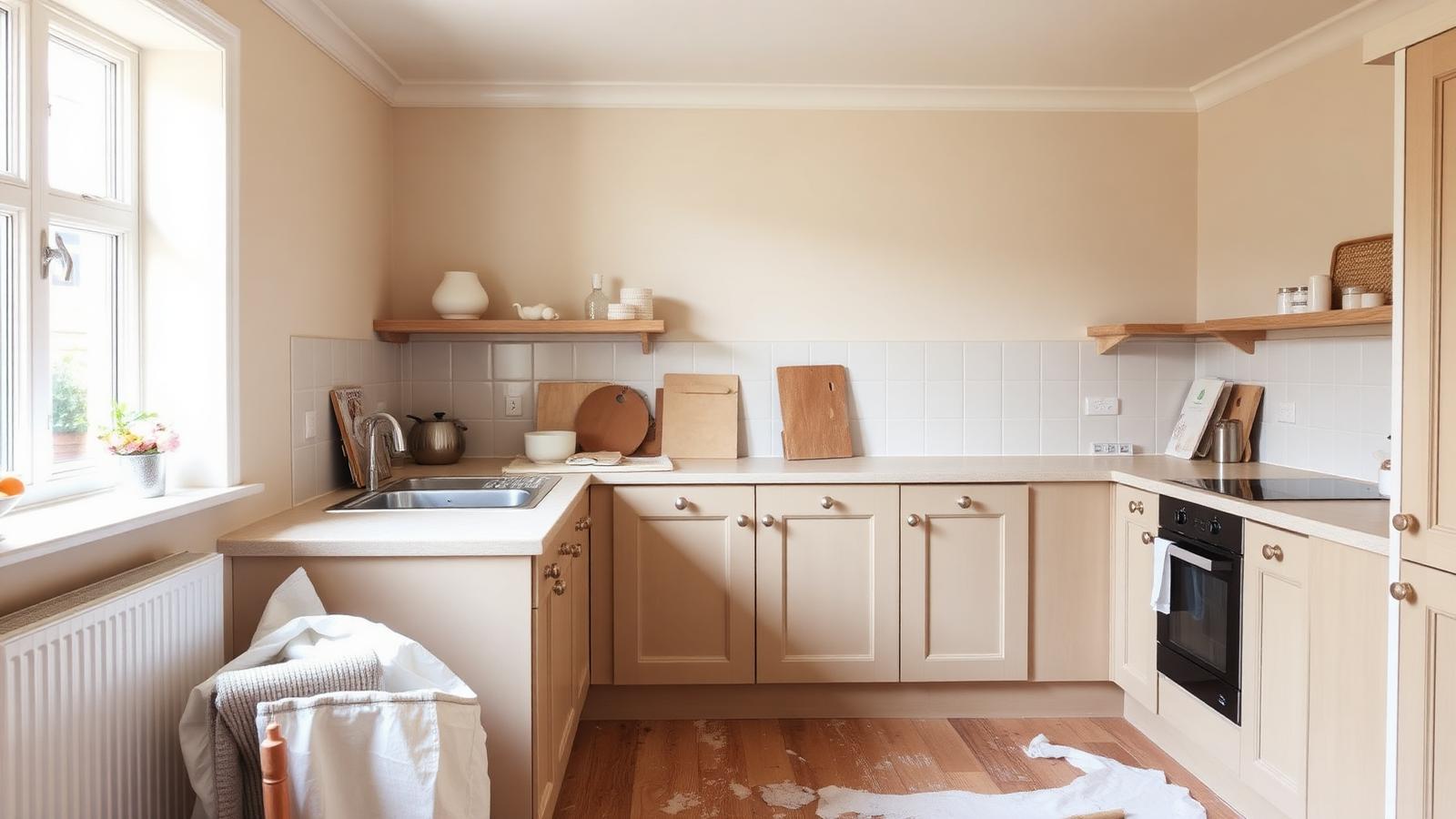
- New kitchen: £8,000–£25,000. Adds roughly its own cost back in sale price if the existing kitchen is genuinely tired. Often a wash — and you live with someone else's design choices.
- New bathroom: £4,000–£10,000. Similar break-even. Worth it only if the existing suite is dated, damaged or non-functional.
- Solar panels: £6,000–£10,000. Recover most of the cost in higher EPC rating and buyer appeal, but only with long-term ownership.
The poor-ROI improvements (when selling)
- Loft or garage conversion done specifically to sell: high cost, planning risk, and you absorb the disruption with no premium to show for it in most postcodes.
- Highly personal design choices — bright feature walls, themed bathrooms, expensive bespoke joinery. Buyers discount, not add.
- Swimming pools, hot tubs and outdoor kitchens. Almost universally negative ROI in the UK climate.
Fix everything broken
Surveyors estimate that visible defects (cracked tiles, blown bulbs, damp patches, broken fence panels) cost sellers an average of 2–5% on accepted offers, because buyers assume larger underlying neglect. The fix is usually a weekend and a £150 trip to B&Q.
EPC and energy-efficiency improvements
Homes rated EPC C or above now command an average 1.7% price premium over D-rated equivalents (Halifax / Energy Saving Trust analysis, 2024). Cheap wins: LED bulbs, loft insulation top-up, draught-proofing, smart thermostat. A jump from band E to band C is realistic on most homes for under £3,000.
Speak to your agent before spending
Local buyer preferences vary. A working fireplace is a premium in a Victorian terrace and irrelevant in a 1990s estate. A loft conversion adds value where families compete for school catchment and barely registers in a young-professional market. A good agent will tell you which £1,000 to spend — and which £20,000 to absolutely not.
Frequently asked questions
What's the single best improvement to make before selling?+
Decluttering followed by a full neutral repaint. Lowest cost, highest reliable uplift, fastest to do, and benefits both viewing and photography.
Does a new kitchen add value when selling?+
Roughly its own cost back if the existing kitchen is genuinely dated. It rarely produces a net profit, so only renovate if the existing kitchen is actively putting buyers off.
Will a better EPC rating help my sale?+
Yes — EPC C or above now commands an average 1.7% price premium over D-rated homes, and energy efficiency is a growing buyer priority. Loft insulation, LEDs and draught-proofing are the cheapest band-shifters.