Contents
- 011. Treat the first 30 seconds as your shop window
- 022. Declutter to roughly two-thirds of what you own
- 033. Deep clean — then keep it that way
- 044. Neutralise — but don't sterilise
- 055. Fix the small stuff buyers fixate on
- 066. Stage each room for one clear purpose
- 077. Maximise natural light
- 088. Address kerb appeal even on a flat budget
- 099. Get the marketing pack right
- 1010. Price honestly — overpricing is the silent killer
- 11The bottom line
Across England and Wales, the average home took roughly 60 days to find a buyer in early 2026, with the typical seller accepting just under 97% of their final asking price (Rightmove House Price Index, May 2026). The homes that beat those averages have something in common: they were prepared properly before the first viewing.
This guide pulls together what actually moves the needle — the cheap, fast wins backed by UK market data, and the tasks that buyers genuinely notice. It's written for ordinary homeowners, not luxury developers.
1. Treat the first 30 seconds as your shop window
Buyer-behaviour research from the Home Staging Association UK & Ireland (2024) found 82% of buyers form a firm opinion about a property in the first minute of a viewing. That opinion is rarely reversed by the rest of the tour, so kerb appeal and the entrance hall do the heavy lifting.
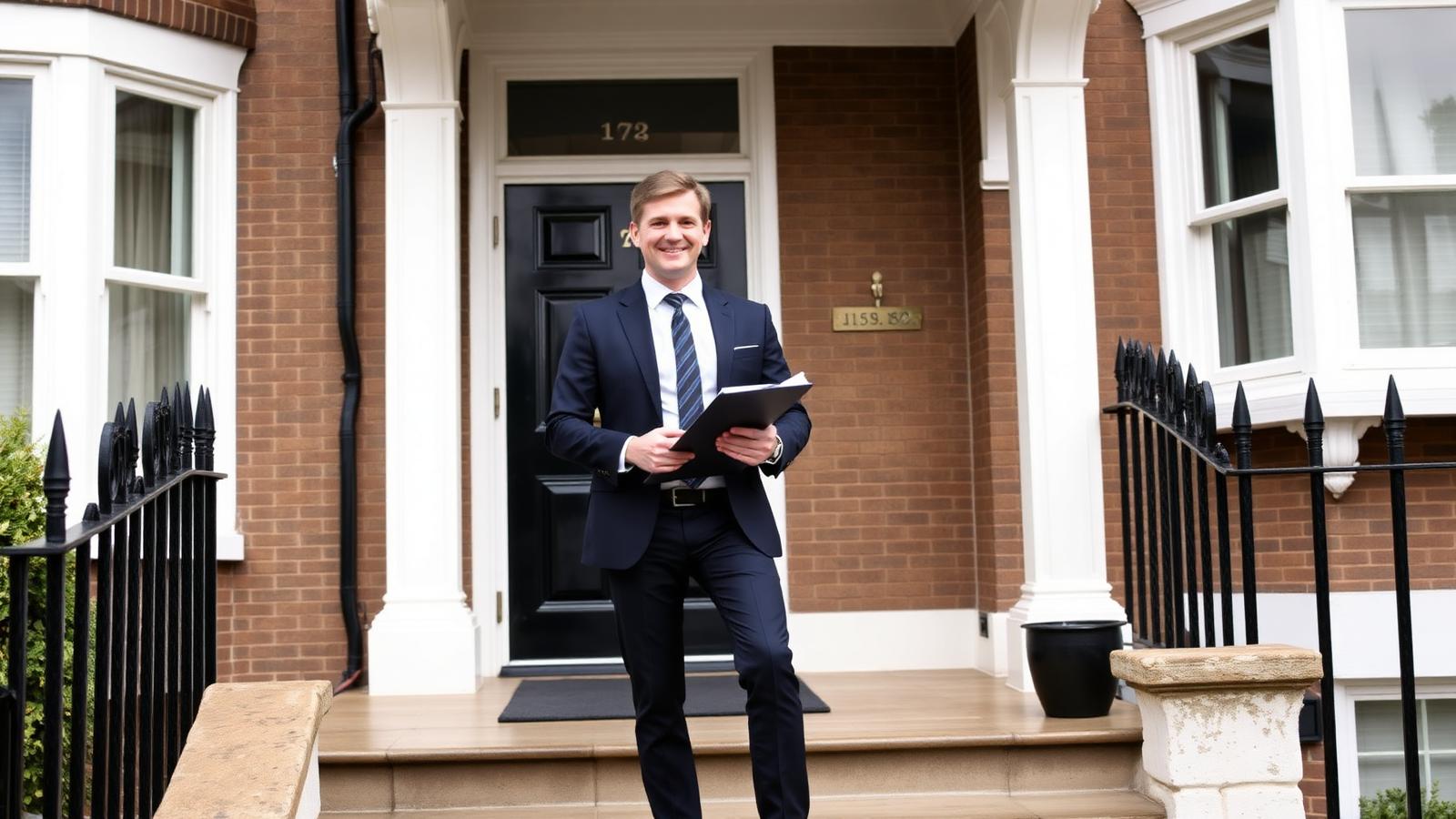
- Paint or repaint the front door in a strong, on-trend colour (sage, navy and charcoal currently photograph best on portals).
- Jet-wash the path, driveway and any patio visible from the front.
- Clean or replace house numbers, the doorbell and the letterbox.
- Add two planted pots either side of the door — they read as 'cared for' in photos and in person.
2. Declutter to roughly two-thirds of what you own
The Home Staging Association reports staged homes sell on average three times faster than unstaged equivalents, and 76% of staging professionals say decluttering is the single highest-impact step. A practical target: pack away one third of everything on surfaces, shelves and wardrobes. Storage that's two-thirds full looks generous; storage that's bursting reads as 'not enough space'.
3. Deep clean — then keep it that way
Kitchens and bathrooms are where deals are won and lost. A 2024 Zoopla buyer survey found 71% of UK buyers said the cleanliness of kitchens and bathrooms was 'very important' to their decision to make an offer. Limescale on taps, grouting and oven glass all signal neglect, fairly or not.
- Descale every chrome fitting and the kettle.
- Re-grout tired bathroom tiles (a £10 tube, an afternoon's work).
- Clean inside the oven, the extractor filter and the fridge seals.
- Wash windows inside and out — natural light is the cheapest feature you have.
4. Neutralise — but don't sterilise
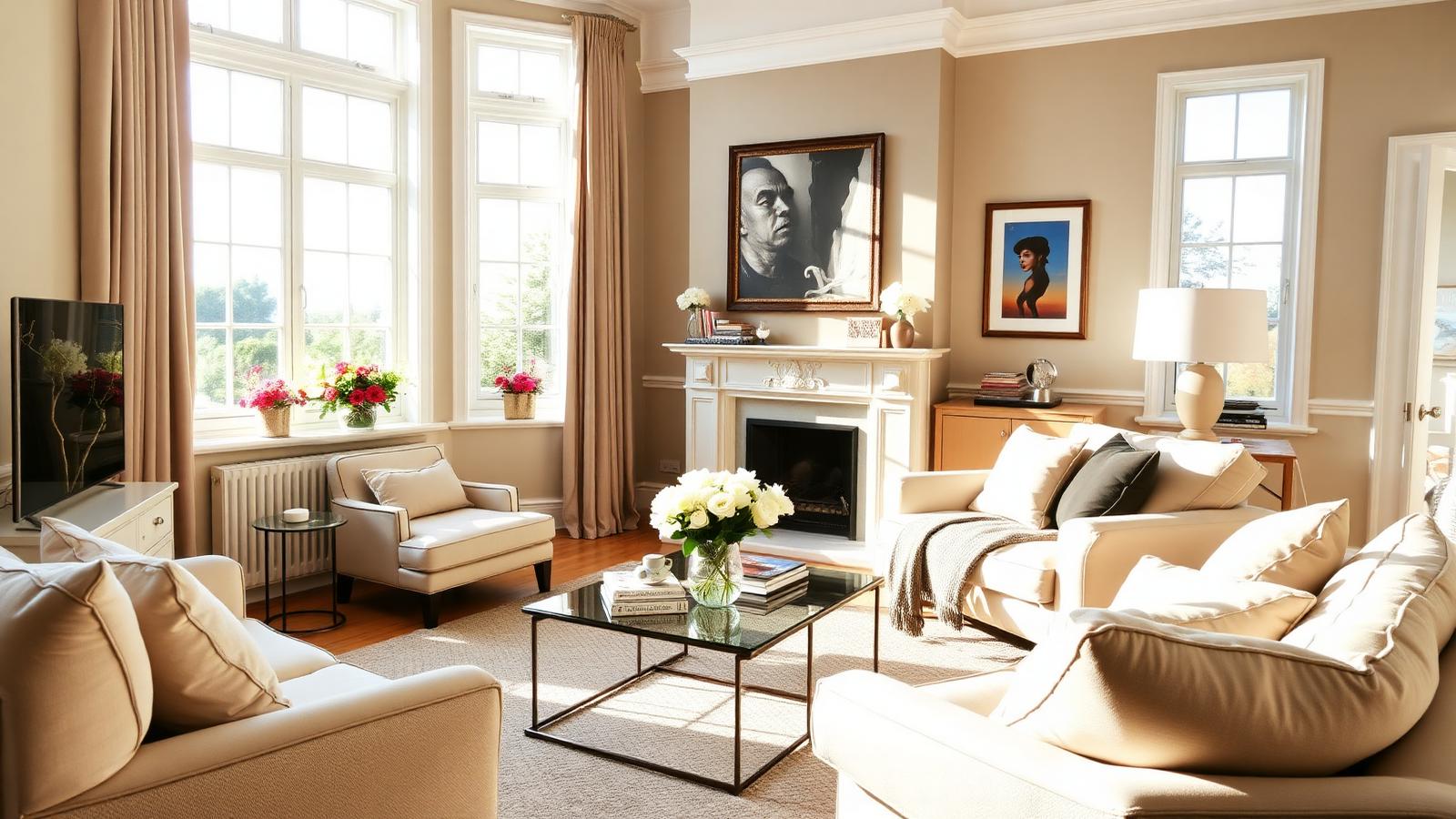
Soft, warm neutrals (off-white, mushroom, putty) photograph well and let buyers project themselves in. That doesn't mean magnolia everywhere — keep one or two characterful features (a panelled wall, a bold kitchen island) so the home still has personality on the listing.
5. Fix the small stuff buyers fixate on
Surveyors and buying agents we work with consistently flag the same niggles: dripping taps, chipped skirting, blown bulbs, sticking doors, missing silicone in bathrooms, cracked tiles. Individually trivial; collectively they cost real money on offers because buyers assume larger neglect underneath.
6. Stage each room for one clear purpose
If a buyer has to work out what a room is for, you've lost them. The 'box room used as a dumping ground' becomes a home office or single bedroom. The dining room nobody eats in becomes a snug or playroom. One purpose per room, properly dressed.
7. Maximise natural light
Energy-efficiency aside, light is consistently the number-one feature in buyer-preference surveys (NAEA Propertymark, 2024). Open every curtain and blind for viewings and photography. Replace any bulb dimmer than 2700K warm white. Add lamps to dark corners — three lamps in a sitting room reliably outperforms a single overhead bulb on camera.
8. Address kerb appeal even on a flat budget
Bin storage, weeds in the front path, an overflowing recycling box — these all show on the first photograph. Spend an afternoon, not a fortune.
9. Get the marketing pack right
Rightmove's own data shows listings with professional photography receive on average 61% more views, and homes with a floor plan receive 30% more enquiries than those without (Rightmove Insights, 2023). Insist on: high-resolution daytime photography, a measured floor plan, a 30-second walkthrough video and, where it makes sense, drone shots for larger gardens or rural plots.
10. Price honestly — overpricing is the silent killer
Zoopla's 2024 analysis found homes that needed a price reduction took, on average, more than twice as long to sell and achieved 4–6% less than comparable correctly-priced homes. The first two weeks on the market are when you have the most buyers watching — wasted on an aspirational price, they're hard to win back.
The bottom line
None of these steps require a builder, an architect or a five-figure budget. They require a weekend, an honest eye and an agent who will tell you the truth about your home — not the version you want to hear.
Frequently asked questions
How long does it take to sell a house in the UK in 2026?+
The average property in England and Wales is taking around 60 days from listing to a sale being agreed in early 2026, according to Rightmove. Well-prepared and well-priced homes routinely beat that in 2–4 weeks.
Does home staging really add value?+
The Home Staging Association UK & Ireland reports staged homes sell roughly three times faster than unstaged equivalents and often achieve a price uplift of 1–10% depending on starting condition. Even basic decluttering and neutral repainting reliably improves offer levels.
Should I renovate before selling?+
Usually no — cosmetic improvements (paint, carpets, re-grouting, kerb appeal) return the strongest yield. Major projects like new kitchens or extensions rarely recoup their full cost when you're selling within 12 months.